Mining infrastructure
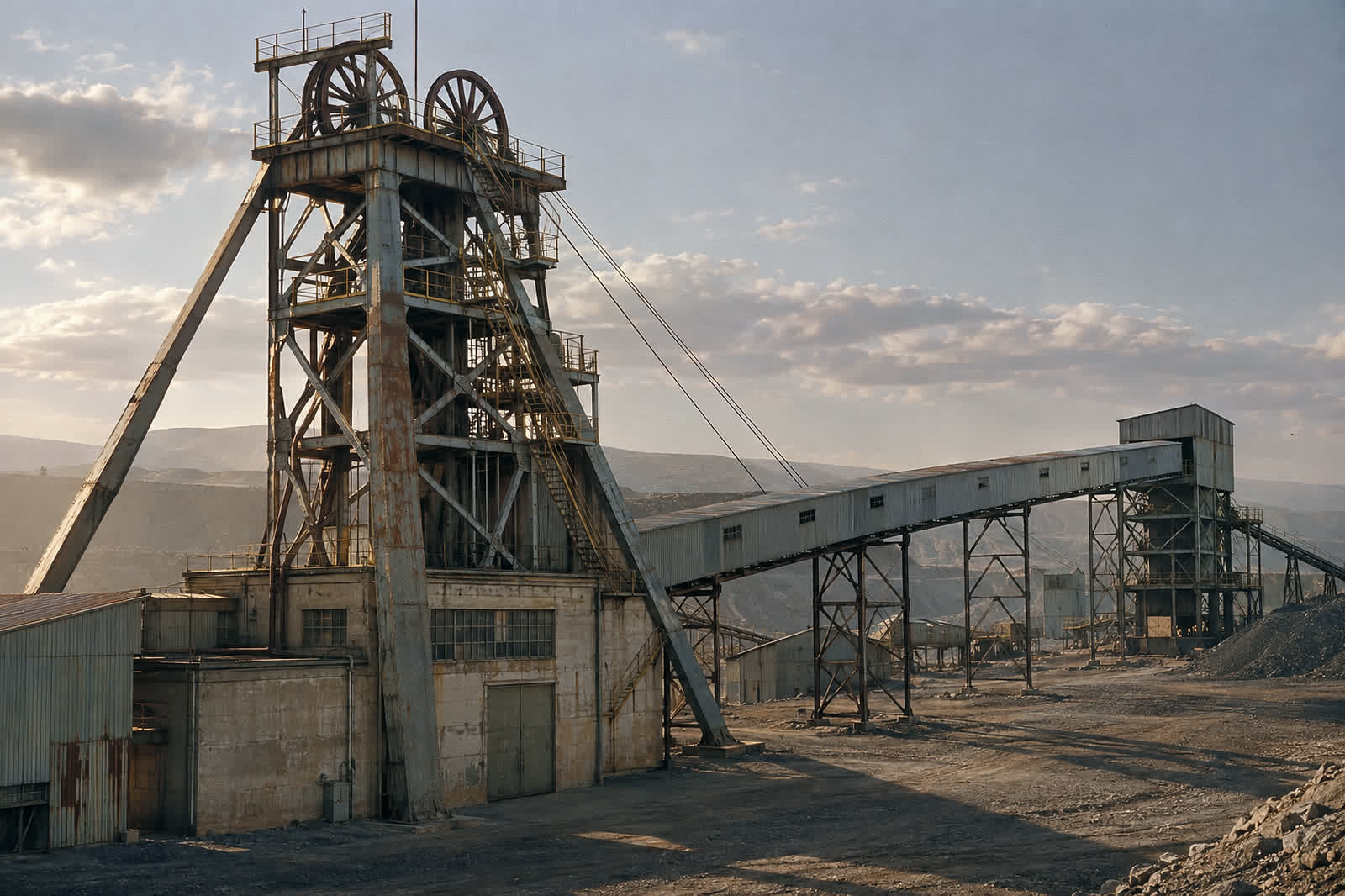
Headgear, conveyors, transfer towers and the civil works that carry them.

What we build
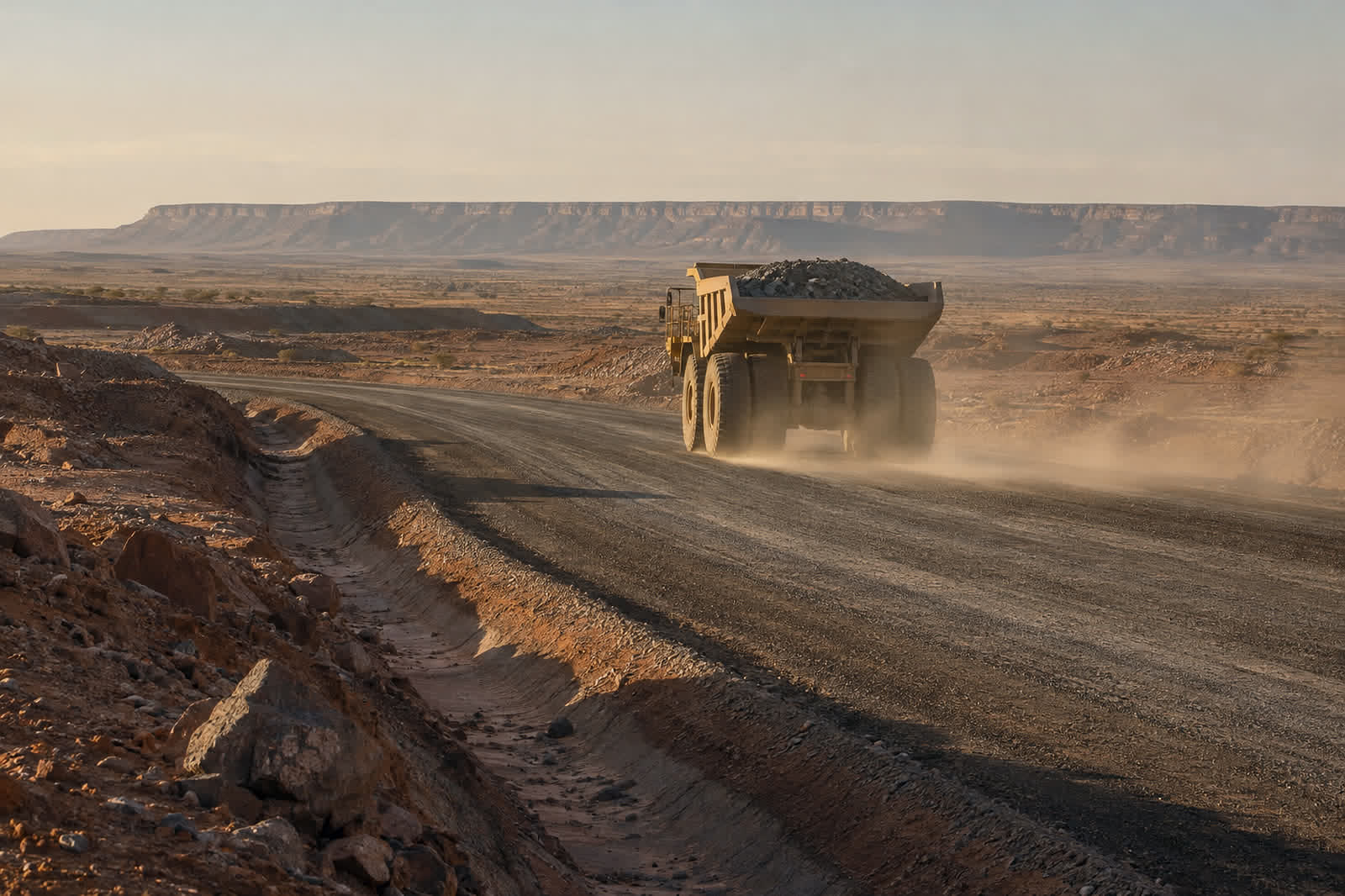
Mining work arrives in a fixed order. The haul road and the earthworks come first, because nothing else can be delivered until they exist. The headgear, conveyors and processing plant follow. Bulk water, power and the permanent buildings run alongside both, and carry on long after first production.
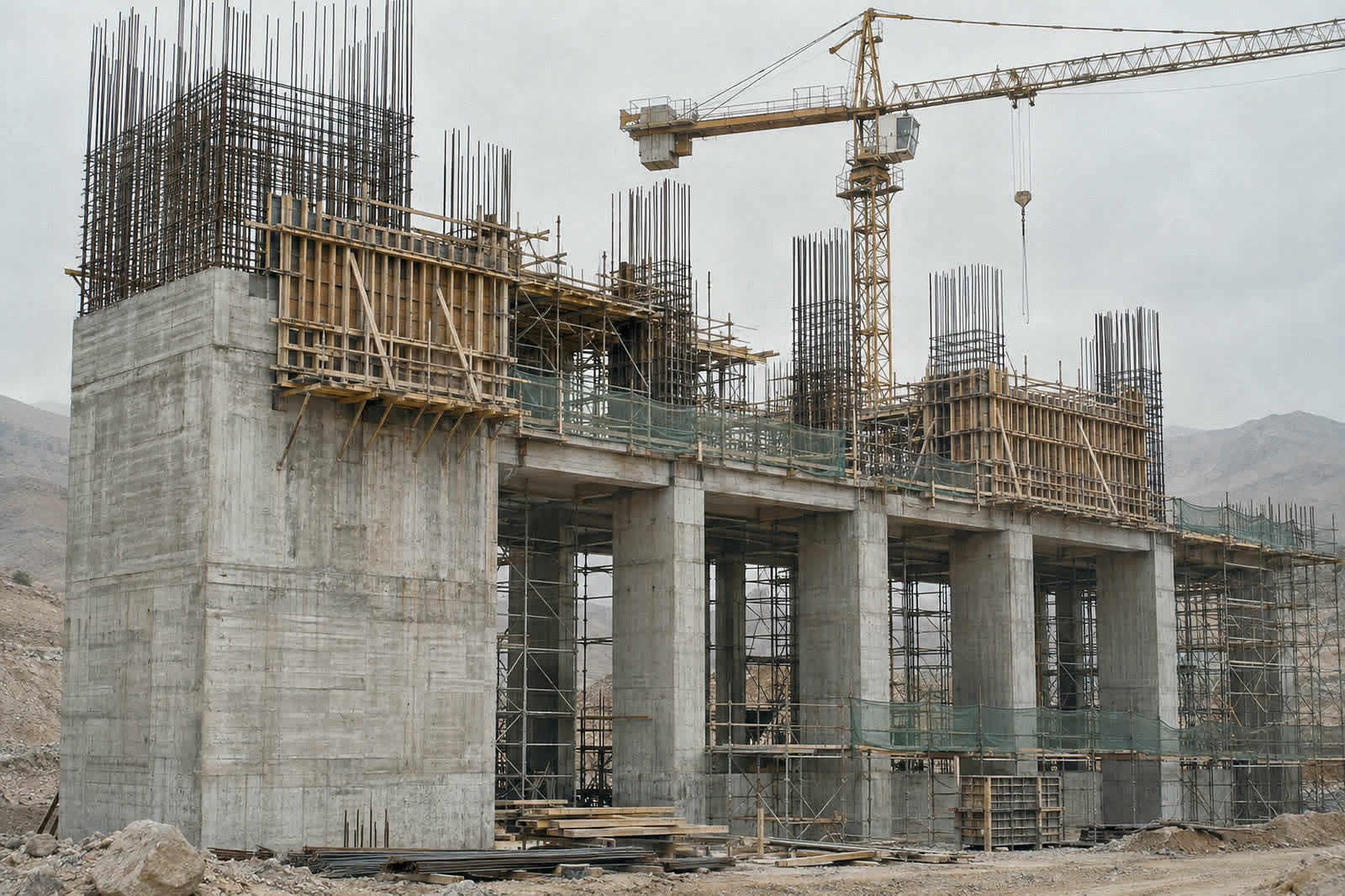
Headgear, conveyors, transfer towers and the civil works that carry them.
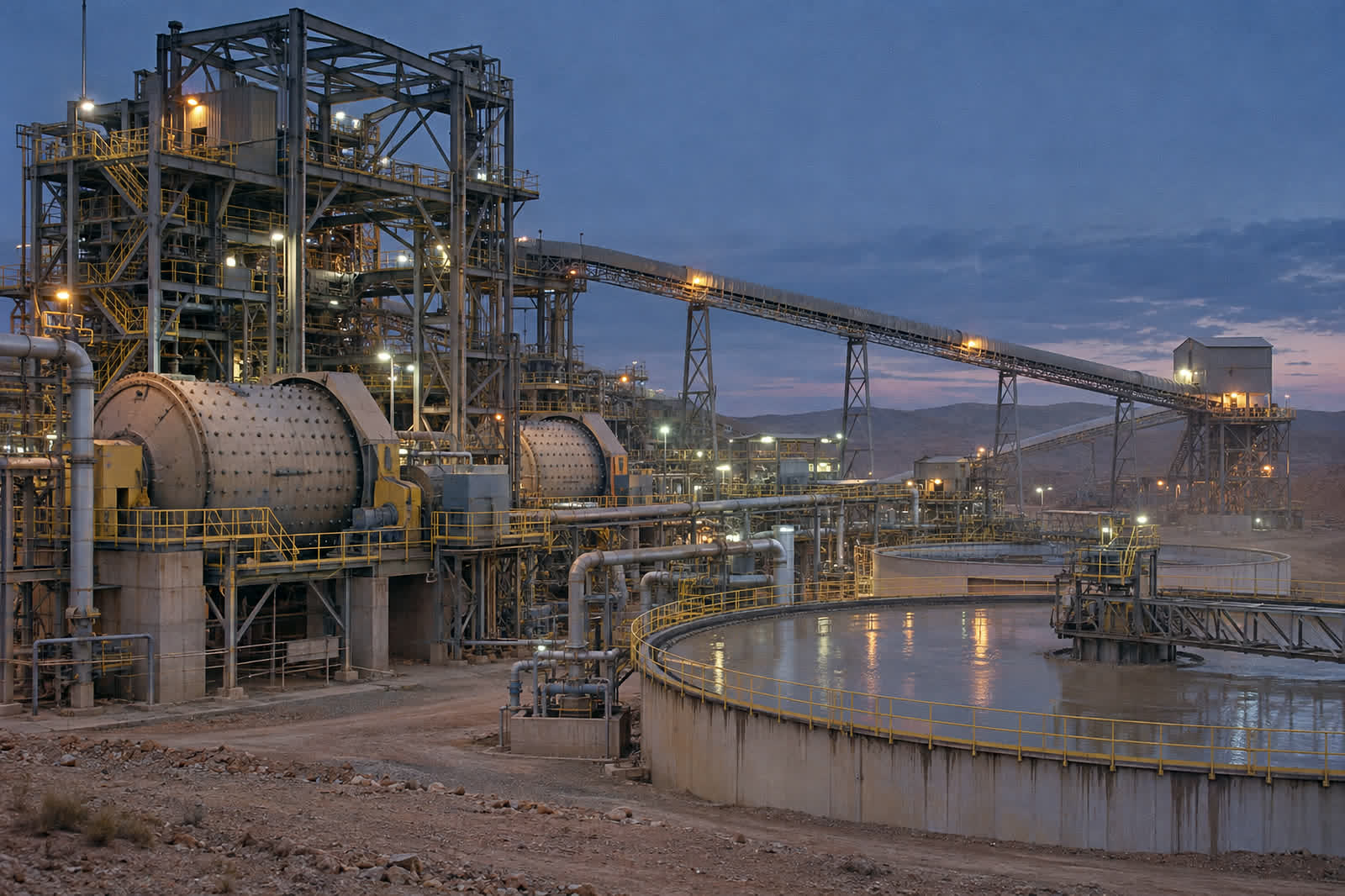
Mills, thickeners and plant structures — the works that turn ore into product on site.
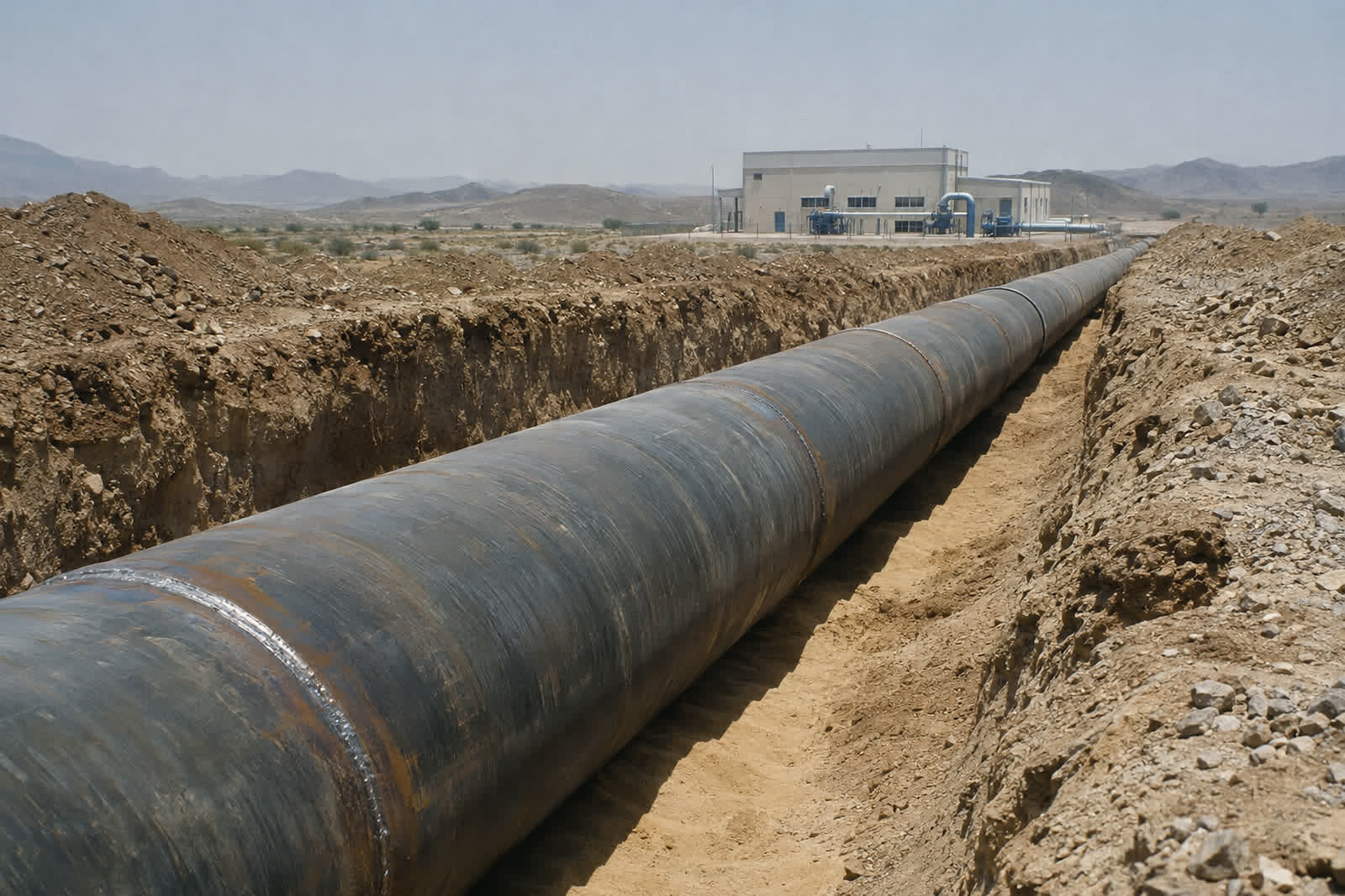
Pipelines, reservoirs and bulk earthworks, the constraint named most often in the deck.
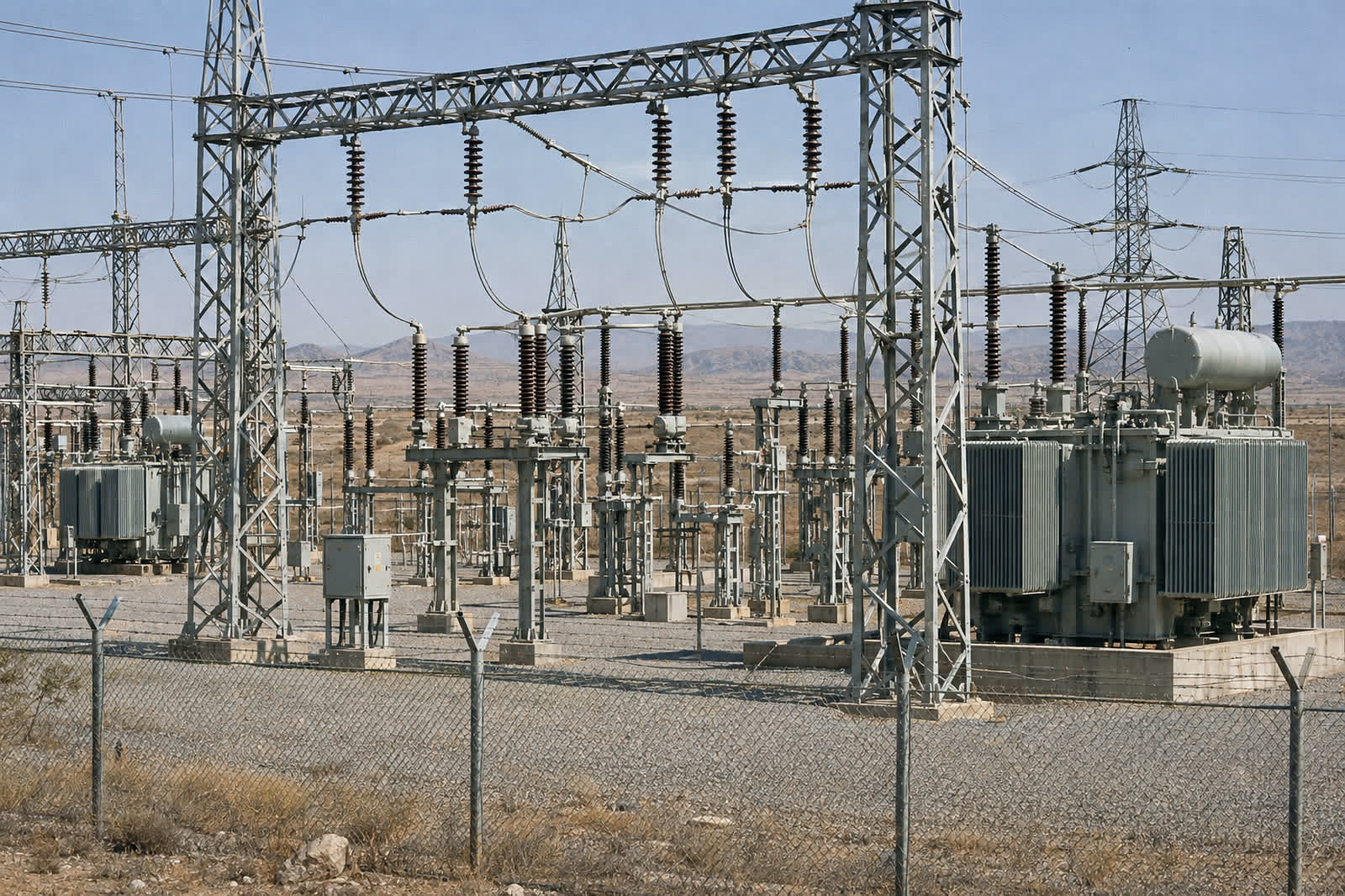
Power reticulation, substations and the mechanical installation that follows the structure.
Workshops, offices, accommodation and the permanent buildings a mine runs from.
Why this work
Earthworks, structures, mechanical installation and bulk services under one appointment. On a site hours from the nearest town, every extra contractor is another mobilisation to pay for and another programme to coordinate.
Long hauls, limited power, water that has to be brought in or won on site, and weather that closes roads. These are planning problems before they are construction problems, and they are planned for from the start.
Our work in South Africa and the wider region means local relationships, local suppliers and local labour, which is what makes a remote programme deliverable and keeps its benefit in the area.
The constraints on the sector and the four-year project pipeline are both set out in the NamPPF deck. We have read it as a description of construction work, and set out what it asks for.